Full-Service Marketing for Manufacturing and Engineering Companies
Full-Service Marketing for Manufacturing and Engineering Companies
Manufacturing and engineering companies operate in highly specialised markets where technical expertise is often strong but commercial visibility can be uneven.
Complex products, long sales cycles and multiple decision-makers can make it difficult for organisations to communicate their capabilities clearly and generate consistent enquiries. Research into industrial buying behaviour shows that technical buyers increasingly conduct extensive research before contacting suppliers, with many engineers completing more than half of the purchasing process online before speaking to sales teams.
Oyster Studios works with manufacturing and engineering businesses to help translate complex technical expertise into clear and effective marketing communication. Our work combines strategy, brand development, digital marketing, web development and exhibition campaigns to support organisations operating in industrial automation, advanced manufacturing and engineering sectors. The goal is simple: help technical companies communicate clearly, attract relevant enquiries and build long-term commercial visibility.
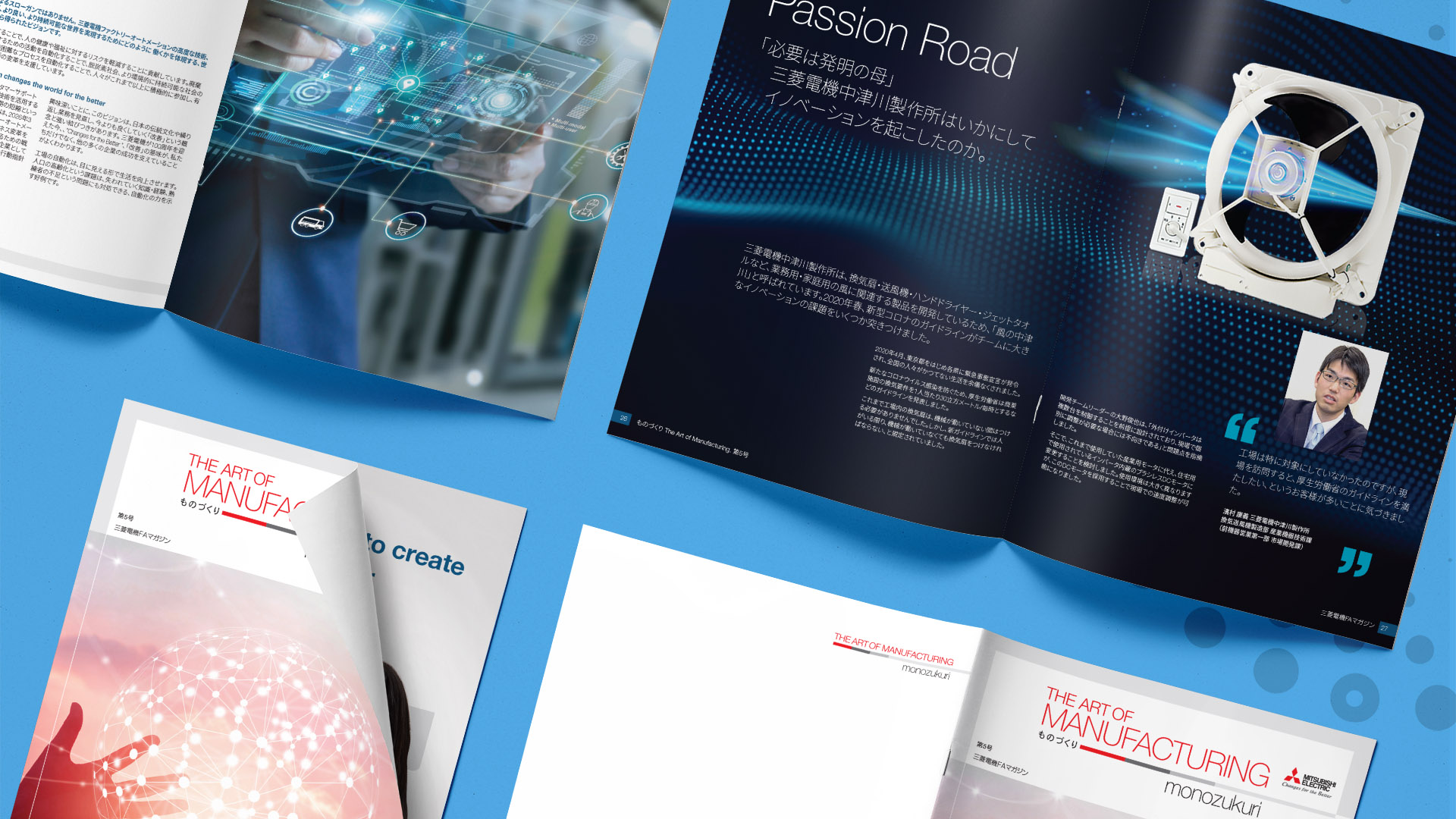
The Challenges Facing Engineering and Industrial Brands
An Integrated Approach to Manufacturing Growth
Effective marketing in engineering sectors rarely depends on a single tactic. Instead, consistent results tend to emerge when strategy, technical communication, digital visibility and sales activity work together.
The process usually begins with understanding how technical buyers research solutions and what information they require at different stages of the purchasing process. Studies of industrial marketing behaviour show that engineers frequently rely on supplier websites, technical publications and peer recommendations when evaluating potential suppliers.
From there, marketing activity can be structured around several connected elements.
Clear positioning and messaging help translate complex engineering capabilities into language that decision-makers can quickly understand.
Technical content such as case studies, white papers and application examples helps demonstrate real expertise while supporting independent research.
Digital visibility ensures that potential customers can find relevant solutions when researching specific technical problems or industry requirements.
Websites play an important role in this process, often acting as the primary information source for engineers assessing suppliers.
Finally, industry exhibitions and events continue to provide valuable opportunities for direct engagement, particularly when they are supported by digital campaigns and structured follow-up activity.
When these elements operate together, marketing becomes less about individual campaigns and more about maintaining consistent visibility throughout the technical buying journey.
Growth Measured Properly
For manufacturing and engineering organisations, marketing performance must be measurable and closely aligned with commercial objectives.
Marketing should not be evaluated on activity alone. It should be measured against Key performance indicators are typically defined before campaigns begin and may include metrics such as qualified enquiry volume, cost per lead, website engagement with technical content and conversion from enquiry to sales opportunity.
This structured approach is particularly important in industrial sectors where sales cycles are long and multiple stakeholders are involved. Research into B2B lead generation shows that multi-channel marketing strategies can significantly reduce the average cost per lead compared with relying on a single marketing channel.
By combining technical content, targeted digital campaigns and structured follow-up processes, marketing activity can support both brand visibility and pipeline development.
Rather than focusing on short-term activity alone, this approach allows manufacturers to build consistent visibility within their sector while maintaining clear insight into which marketing efforts are contributing to commercial outcomes.

Experience Across Technical Sectors
We have supported engineering and industrial brands across automation, power generation, precision manufacturing and industrial technology.
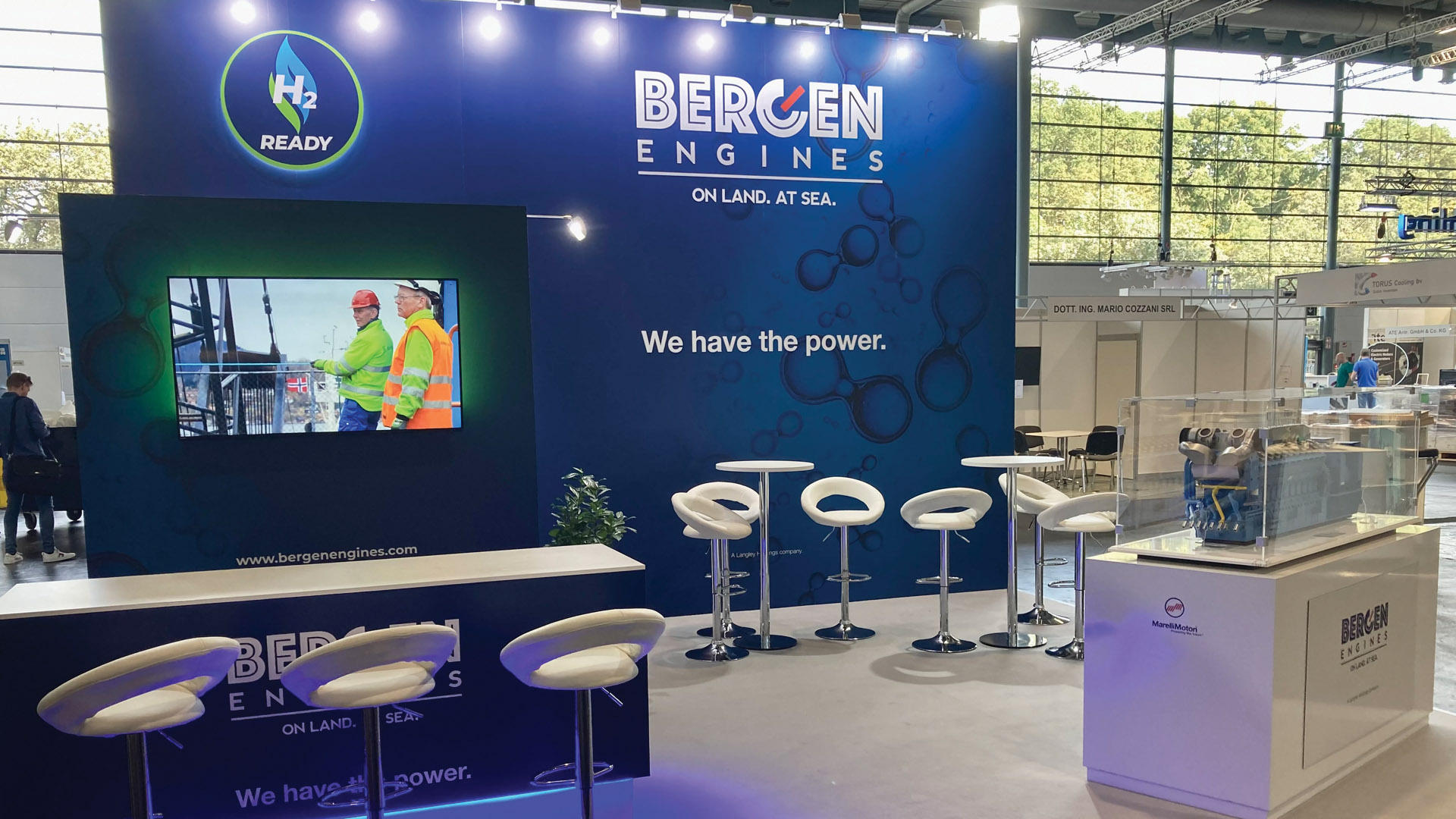
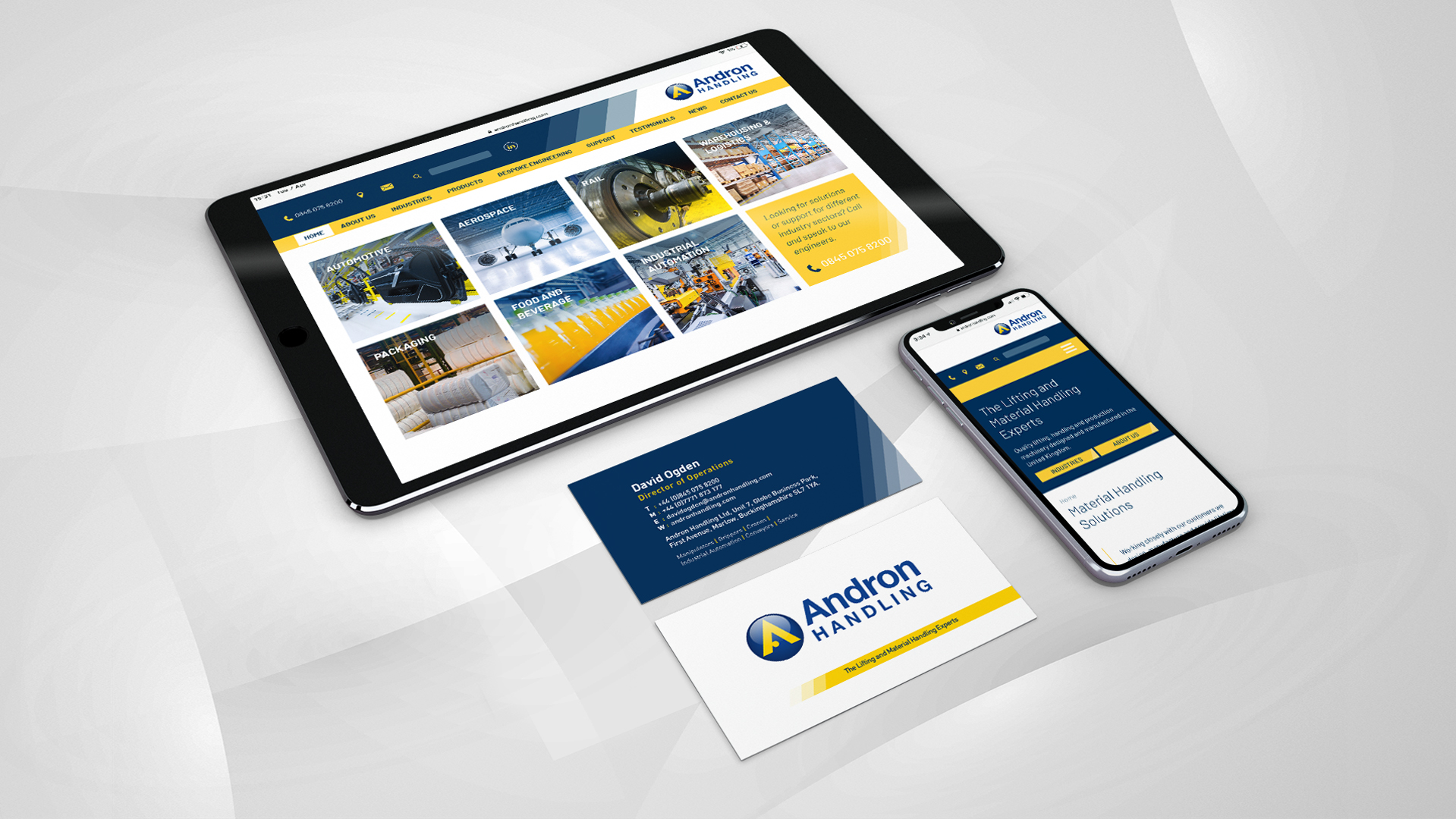
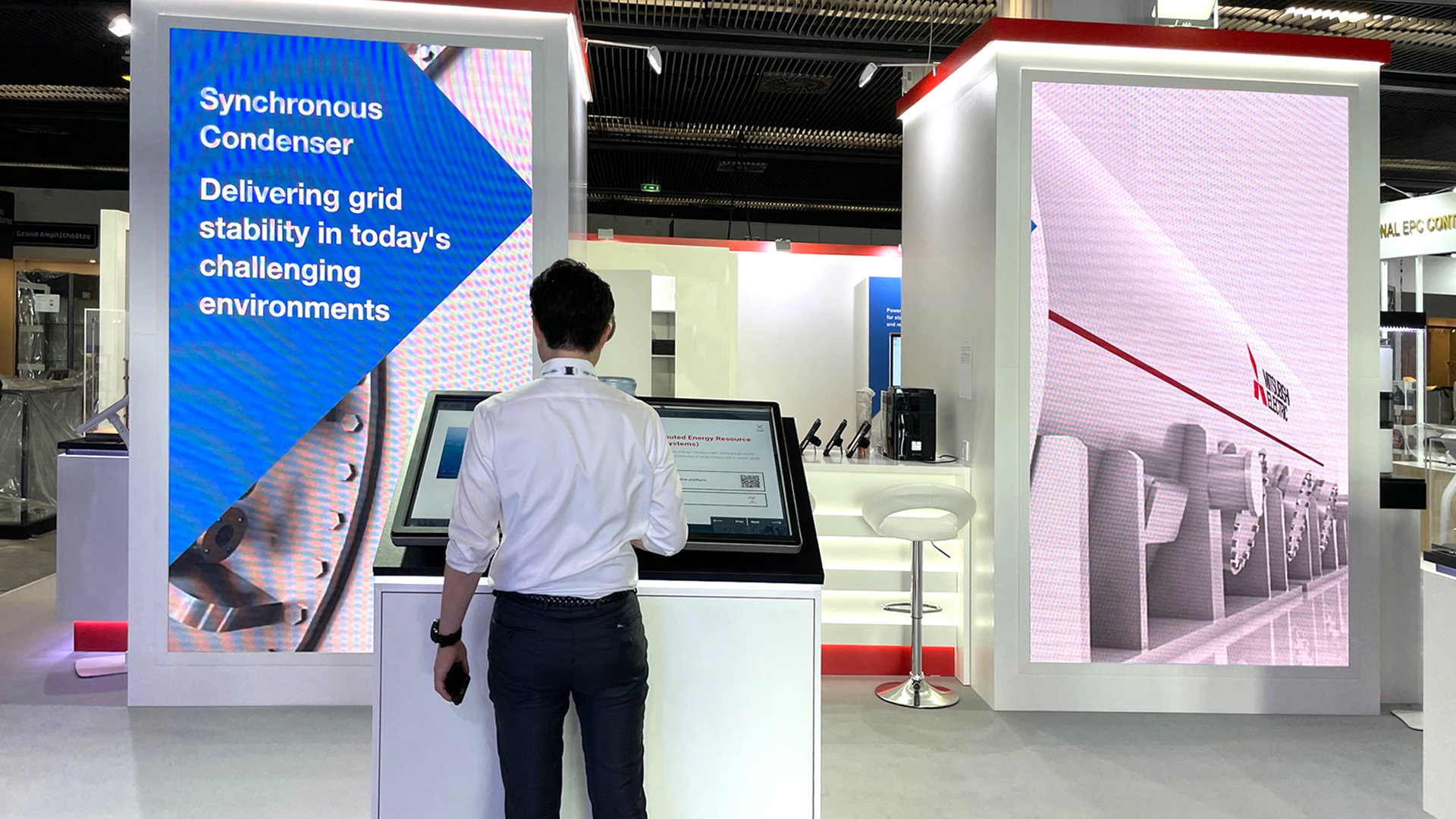
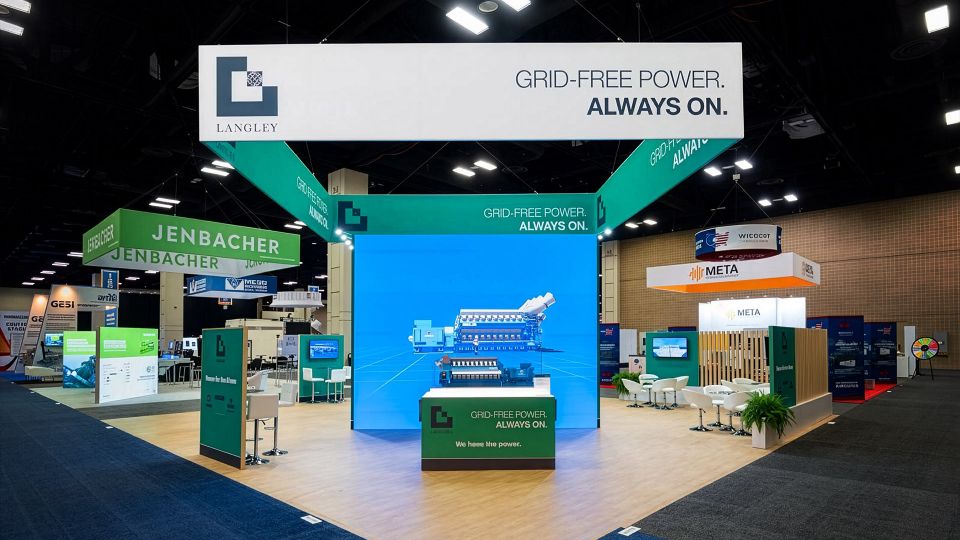
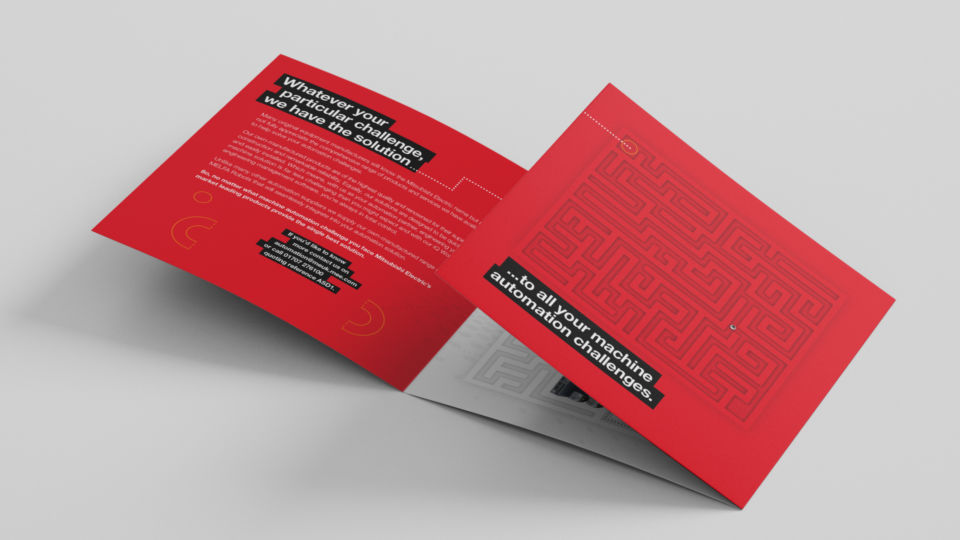
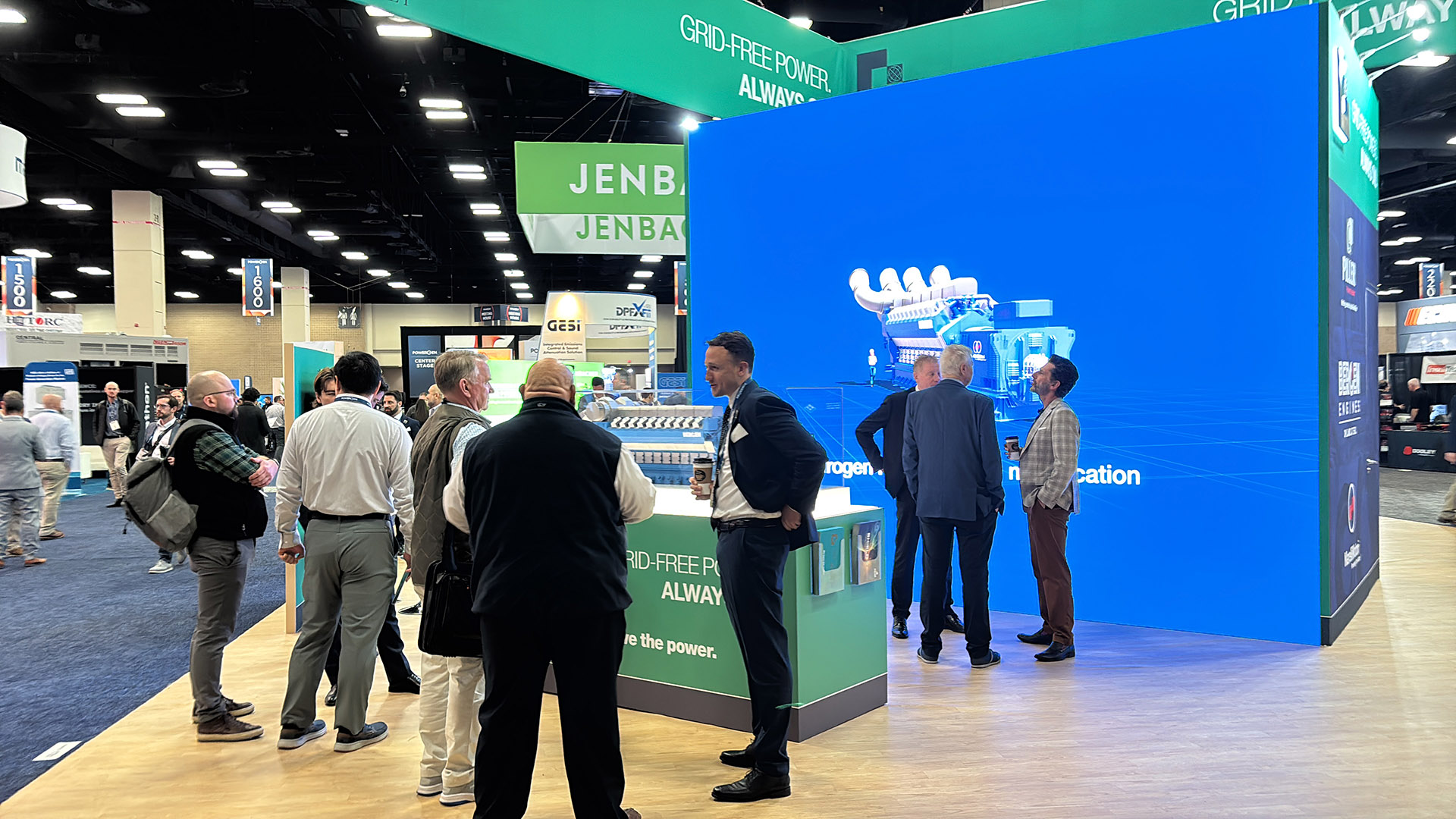
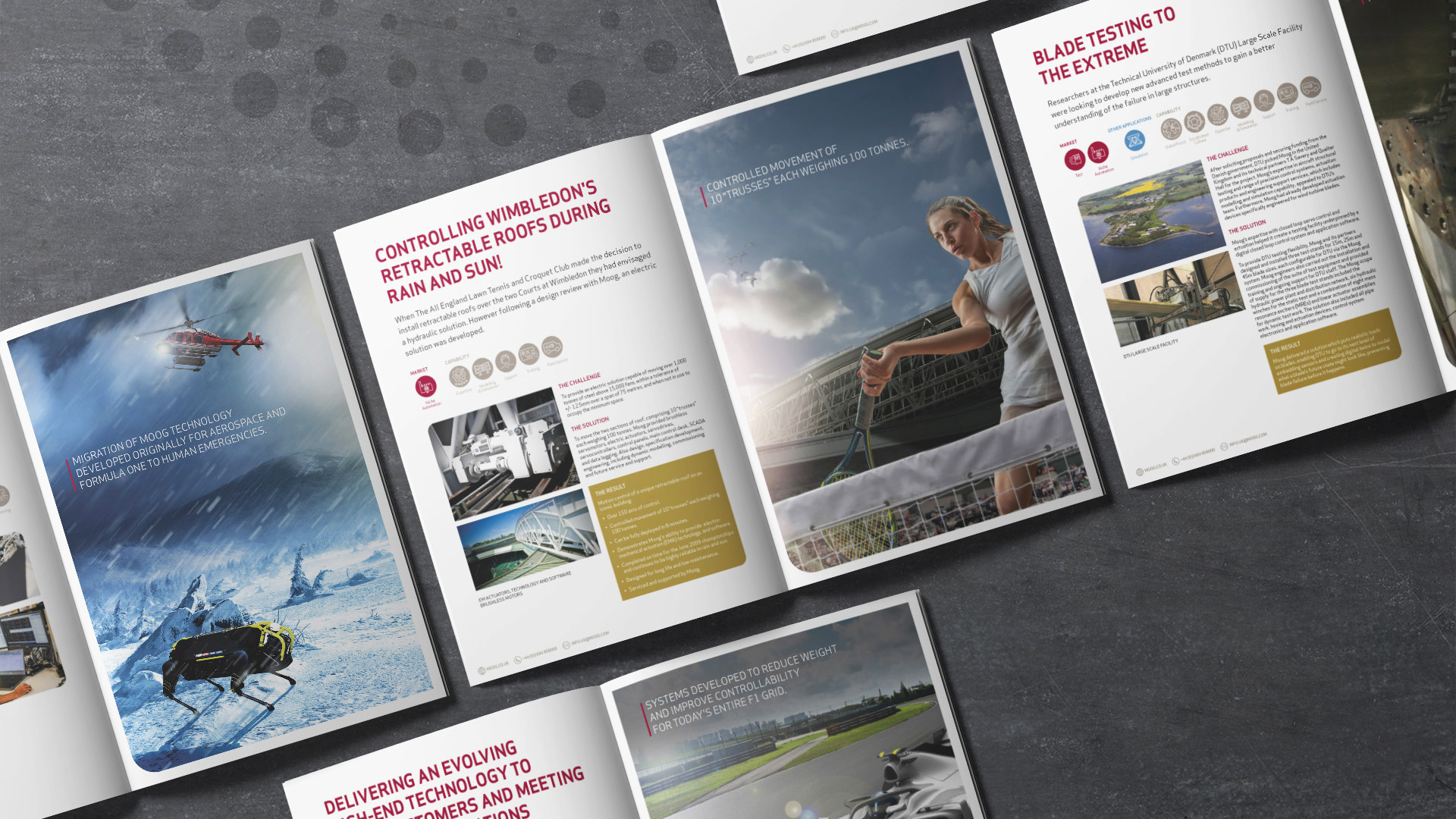
Our projects have included international exhibition environments, integrated digital campaigns, website platforms for technical audiences and strategic brand development for complex product portfolios.
Each engagement is shaped around commercial objectives and delivered with a clear understanding of technical markets.
Explore selected manufacturing case studies below.




Frequently Asked Questions
Marketing for engineering companies works best when it reflects the reality that technical buying decisions are rarely made by one person alone. In most cases, several audiences are involved, each with different priorities, levels of technical understanding and commercial concerns.
A managing director or commercial lead may want to understand strategic value, return on investment and long-term reliability. An engineer or machine builder is more likely to focus on specifications, performance, compatibility and practical application. Procurement teams may be more concerned with cost, supply confidence and service support. Effective marketing therefore needs to speak to multiple personas at once, using messaging that is accurate, relevant and appropriate for each audience.
This is why persona-led marketing is so important in engineering sectors. Messaging must be structured in layers, allowing a business to communicate high-level value clearly while also providing the technical depth required by more specialist decision-makers. A strong campaign might begin with a simple commercial message, then lead audiences towards case studies, technical papers, product visualisations or application-specific content depending on what they need to move forward.
The most effective engineering marketing strategies usually combine targeted email outreach, technical content, thought leadership, digital campaigns, exhibitions and account-based activity. What matters is not simply which channels are used, but whether the messaging within them is aligned to the right persona, the right level of detail and the right stage of the buying journey.
Sales cycles within manufacturing sectors are often longer than those in consumer markets, particularly when products involve high capital investment or complex engineering solutions.
Multiple stakeholders may be involved in the purchasing decision, including engineers, procurement specialists and senior management. Research shows that many industrial purchasing processes involve several decision-makers and extended evaluation periods.
As a result, marketing activity often needs to support long-term relationship building rather than focusing only on short-term lead generation.Sales cycles in manufacturing are often long, particularly where products are high value, technically complex or integrated into wider systems. In many cases, opportunities can develop over several months and in some sectors they may extend well beyond a year.
This is why the marketing funnel matters. Manufacturing marketing is rarely about generating instant decisions. It is about helping prospective buyers move from early awareness, to active evaluation, to specification, discussion and eventual purchase. At each stage, different information is needed and different stakeholders may become involved.
Because of this, data capture is essential. If a prospect downloads a technical document, visits a product page or meets your team at an exhibition, that interaction should feed into a wider picture of intent. Capturing and organising this data allows businesses to follow up more effectively, build a clearer understanding of where opportunities are developing and avoid losing valuable leads simply because the timing is not yet right.
Long sales cycles also rely on relationship building. Trust is often built gradually through repeated contact, useful content, timely follow-up and visible expertise. Events can play an important role here, particularly when they are planned properly and supported by pre-event outreach, meeting schedules, lead capture processes and structured post-event follow-up. In this context, marketing helps maintain momentum across a complex and often extended decision-making process.Sales cycles within manufacturing sectors are often longer than those in consumer markets, particularly when products involve high capital investment or complex engineering solutions.
Multiple stakeholders may be involved in the purchasing decision, including engineers, procurement specialists and senior management. Research shows that many industrial purchasing processes involve several decision-makers and extended evaluation periods.
As a result, marketing activity often needs to support long-term relationship building rather than focusing only on short-term lead generation.
Yes, because digital marketing now plays a central role in how technical buyers discover, assess and compare suppliers. Even in highly specialised sectors, supplier websites, search visibility, digital content and online communication often shape first impressions long before a sales conversation begins.
For engineering companies, digital marketing is not simply about visibility. It is also about clarity. Many technical products and solutions are difficult to understand quickly, particularly for audiences who are not involved in the engineering detail every day. Digital media can help bridge that gap by translating complexity into formats that are easier to absorb.
This is where visual communication becomes especially valuable. Animation, explainer films, interactive content, product visualisations and short-form digital assets can all help simplify complex concepts without removing technical accuracy. A machine builder may want to understand how a system integrates into a line, while a commercial stakeholder may need a faster overview of the value it brings. Digital content makes it possible to present the same product in different ways for different audiences.
That flexibility is important because engineering companies are often speaking to several personas at once. A strong digital strategy allows messaging to be adapted for senior decision-makers, technical evaluators, procurement teams and end users, each with different priorities and different questions. Done properly, digital marketing helps technical companies become easier to find, easier to understand and easier to trust.

Speak to Us About Manufacturing Growth
Contact us
Message
We’d love to speak to you.