Growth Focused Marketing for Leisure and Visitor Attractions
Growth-Focused Marketing for Leisure and Visitor Attractions
Leisure and visitor attractions operate in highly competitive markets where footfall, booking conversion and repeat visits directly affect revenue performance.
Many operators are balancing rising advertising costs, changing visitor expectations and increasingly digital customer journeys. Research from organisations such as the UK’s Department for Culture, Media and Sport and VisitBritain highlights how visitor behaviour is now heavily influenced by online discovery, search and digital content before a booking is made.
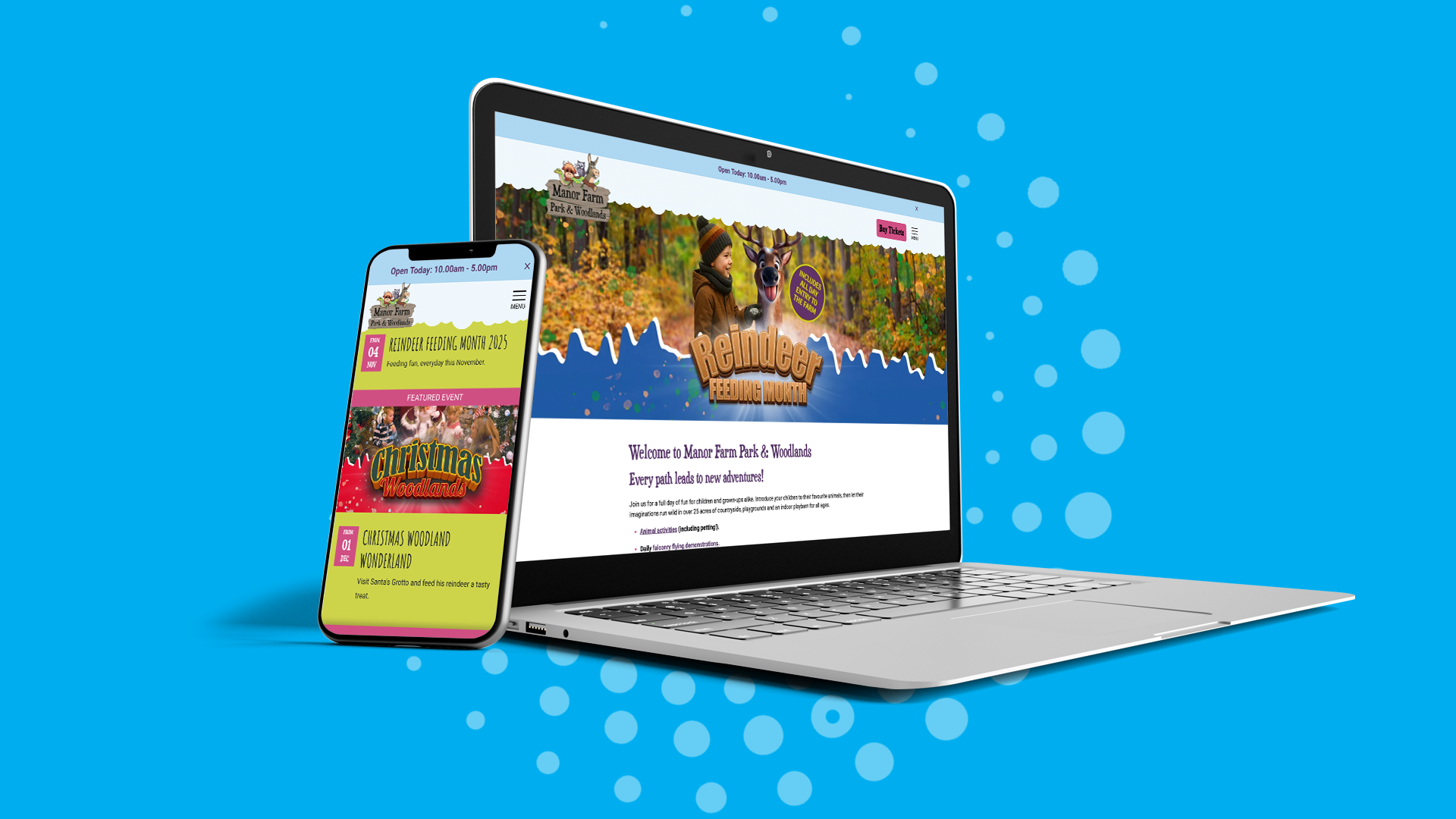
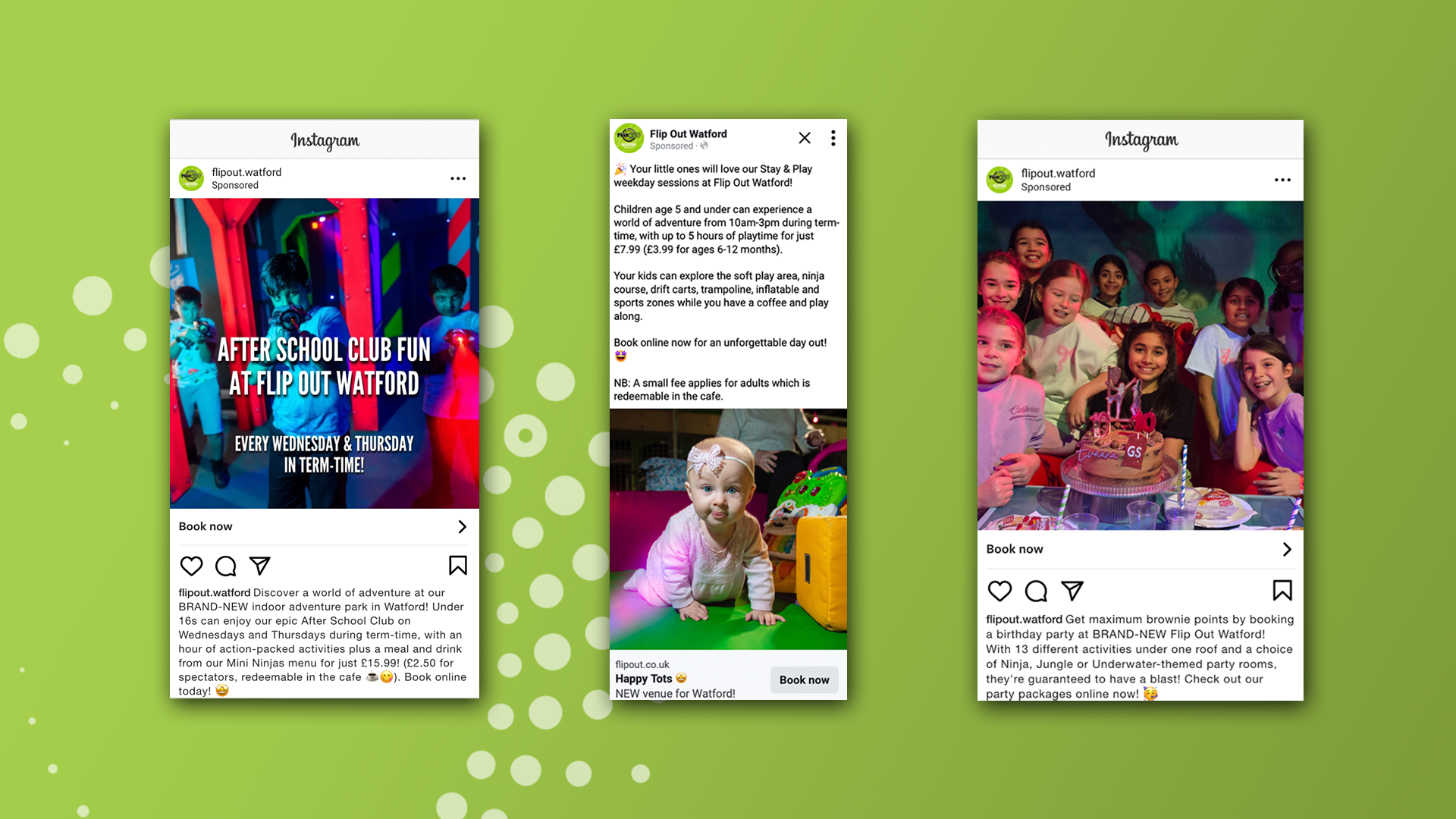
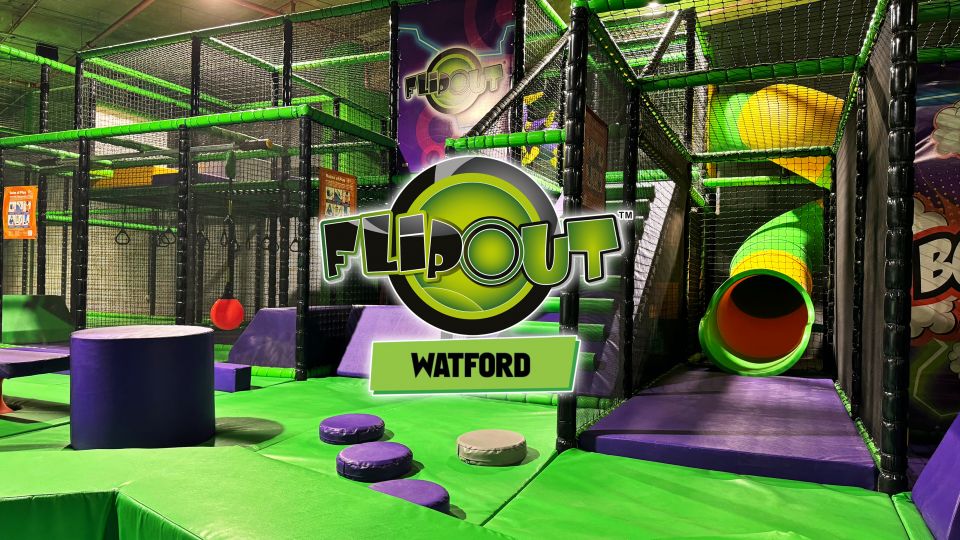
Oyster Studios works with leisure brands, visitor attractions and experience-led venues to help them communicate their offer clearly, attract relevant audiences and improve the effectiveness of their marketing activity. Our work combines strategy, brand development, digital marketing, web development and campaign planning to support measurable growth. Recent projects have included venue launches, multi-site campaign management and performance-led digital marketing for organisations such as Flip Out, Jump In and Go Ape.

The Challenges Facing Leisure Operators

An Integrated Approach to Leisure Growth
Successful leisure marketing rarely depends on a single channel. Instead, consistent performance tends to emerge when strategy, brand communication, digital visibility and visitor experience operate together.
Marketing activity typically begins with understanding audience behaviour and identifying the groups most likely to visit, whether families, local residents, tourists or corporate groups. From there, messaging and brand positioning help communicate the value of the experience while distinguishing the attraction within a competitive regional market.
Digital marketing supports visibility and audience acquisition. Paid search and social campaigns can reach visitors actively researching activities in their area, while organic search visibility ensures that attractions appear when potential visitors explore options online.
Websites then play a critical role in converting interest into bookings. Studies into user experience and digital behaviour consistently show that page speed, mobile usability and simplified checkout journeys have a direct influence on booking conversion rates.
Creative content also plays an important role in helping visitors quickly understand what an attraction offers. Video and visual storytelling are particularly effective for experience-based businesses, with research from Wyzowl indicating that most consumers prefer to learn about products and services through video content.
When these elements work together, marketing becomes less about individual campaigns and more about maintaining consistent visibility, improving booking conversion and building long-term visitor loyalty.
Growth Measured Properly
For leisure and visitor attractions, marketing performance must be visible and accountable.
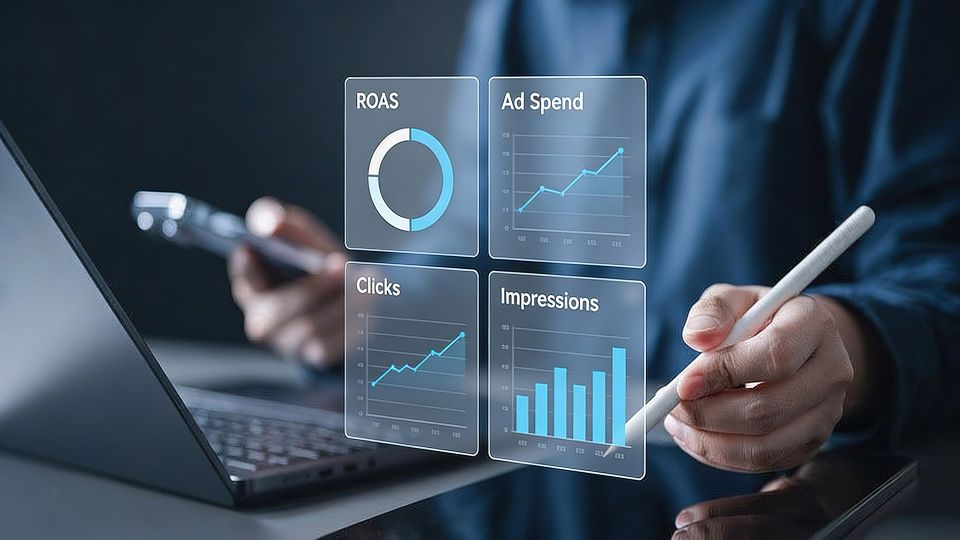
Key Performance Indicators are defined in advance and typically include metrics such as cost per acquisition, return on ad spend, conversion rate from visit to booking, revenue per visitor and overall campaign engagement. By establishing these benchmarks early, campaigns can be monitored in real time and investment can shift quickly towards the channels and audiences delivering the strongest results.
This approach allows performance to improve continuously rather than relying on occasional spikes in activity.
Across recent leisure campaigns we have delivered measurable results for a number of leading brands. These include strong multi month return on ad spend for Flip Out during the launch of a new venue, sustained paid media performance improvements for Jump In across multiple locations and highly targeted social campaigns for Go Ape that supported seasonal footfall growth.
These results were not isolated spikes. They were achieved through structured optimisation, clear attribution tracking and continuous refinement of campaign strategy.
Full performance details and campaign breakdowns can be explored within the individual case studies.
Full performance breakdowns can be explored within the individual case studies.

Experience Across Leisure and Experience-Led Brands
We have supported leisure and visitor attraction brands with integrated digital campaigns, paid media strategies, web development and brand activation projects.
Our focus has been consistent. Increase visibility. Improve booking conversion. Deliver measurable return.
Explore selected leisure case studies below.



Frequently Asked Questions
Footfall increases when acquisition, experience and retention are treated as one Visitor footfall tends to increase when attractions combine targeted audience acquisition with compelling on-site experiences and strong repeat engagement.
Digital channels such as paid search and social media allow operators to reach specific audiences, including families, local residents and tourists who are actively researching activities in their area. Seasonal campaigns, themed events and limited-time experiences can also create urgency and encourage repeat visits.
At the same time, attractions that invest in memorable environments, interactive spaces and integrated food and activity offerings often increase visitor dwell time and overall spend. Loyalty programmes, memberships and user-generated content through social media can further strengthen long-term engagement and repeat attendance.
Paid social is a powerful channel for leisure attractions because it allows highly targeted audience acquisition and strong visual storytelling. However, relying on paid social alone can create long-term risks if marketing performance depends on a single platform.
Most successful leisure marketing strategies combine paid social with other channels such as paid search, email marketing and organic search visibility. This broader approach helps capture visitors who are actively searching for experiences while also building long-term audience engagement.
Diversifying channels also reduces exposure to changes in advertising costs or platform algorithms, allowing attractions to maintain more stable marketing performance.
Booking conversion improves when friction is removed from the customer journey and visitors feel confident completing the transaction.
Fast-loading pages, mobile-friendly design and simplified checkout processes all play an important role. Flexible payment options such as Apple Pay or Google Pay can also reduce abandonment during the booking process.
Clear pricing, strong calls to action and visible customer reviews help reinforce trust and encourage visitors to complete their purchase. Research from the Baymard Institute shows that complex checkout processes and unexpected costs remain among the most common causes of online abandonment.
Retargeting campaigns can also help re-engage visitors who leave without completing a booking.
Seasonality is a defining characteristic of the leisure sector, and effective marketing strategies often focus on balancing demand across the year.
During peak periods, campaigns typically focus on maximising conversion and visitor spend through targeted advertising, clear booking journeys and bundled offers. During quieter periods, marketing activity may shift towards local audiences, loyalty programmes and themed events that encourage repeat visits.
Many attractions also benefit from structured marketing calendars that plan promotional activity well in advance, helping smooth revenue fluctuations and maintain consistent visibility throughout the year.
Yes. Most leisure operators already use established booking platforms, and we Yes. Most leisure attractions already operate using established booking platforms, and marketing activity usually needs to integrate with these systems rather than replace them.
A common challenge for operators is ensuring that marketing campaigns are correctly tracked through the booking journey. If conversion tracking is not configured properly, it can become difficult to understand which campaigns or channels are actually generating bookings.
In many cases the issue is not the booking platform itself but how tracking and analytics have been implemented. By configuring event tracking, analytics integrations and campaign attribution correctly, operators can gain a much clearer view of which marketing activity is driving revenue.
The goal is to ensure that advertising spend, website activity and completed bookings can all be measured accurately so that marketing decisions are based on reliable data.
Speak to Us About Leisure Growth
Contact us
Message
We’d love to speak to you.