Retail marketing for brands and products
overview
From brand creation and packaging to customer discovery and purchase
Retail marketing connects the reasons people want a product with the information and confidence they need to buy it. It brings together brand positioning, packaging, product presentation, digital marketing and the experience of shopping in store or online.
For businesses selling consumer products, these elements need to work together. Advertising may introduce the product, packaging may earn it a closer look and a product page may answer the question that secures the purchase. Each contributes to the same commercial task.
Our guide explores how retailers and consumer brands can plan that journey, from creating a distinctive identity to supporting a product launch and measuring performance. It draws on Oyster’s experience in retail branding and packaging, including our work with many high street retailers and brands including Clearblue and Revell.

What is retail marketing?
Retail marketing is the strategy used to help consumers discover, understand and buy products through shops, e-commerce websites and other retail channels. It involves decision-making about audience, positioning, pricing, presentation, promotion and customer experience.
These priorities depend on the business. A retailer may need to increase store visits, improve online conversion or encourage repeat purchases. Alternatively, a consumer brand may need to explain a new product, secure stockists or stand out within an established category.
These objectives overlap but they require different messages and measures. Getting a retailer to stock a product and persuading a customer to buy it are separate tasks. A comprehensive strategy accounts for both.
Start with the buying decision
An effective retail marketing strategy begins with a clear view of who chooses the product, who pays for it, who uses it and what matters to each person. They may not be the same individual.
A hobbyist choosing a model kit might look for a particular subject, scale or level of challenge. Someone buying a gift may need more help understanding suitability and what is included. For a game, the purchasing decision may depend on who will play, how long it takes and how easy it is to learn.
The same principle applies across homeware, lifestyle products and other consumer categories. Specialist features matter when they help someone judge whether the product is right for them.
Use customer questions, reviews, retailer feedback and search enquiries to help identify and understand those buying decisions. Build audience profiles around motivations, buying occasions and barriers, then use them to guide the brief. A description such as “adults aged 25 to 55” offers little direction on its own.
Build a brand with a clear role
Retail brand creation establishes what a business stands for, who it is for and why its products deserve consideration. The identity then makes that positioning easily understood through language, typography, colour, imagery and design.
Before developing a visual identity, define the product’s place in its market. Is its appeal based on expertise, accessibility, design quality, a distinctive experience or a combination of those things? What supports that promise? How should its price and presentation reflect it?
The relationship between the company brand and individual products also needs thought. A new business may launch with one product but intend to build a range. Giving the company and the product clear roles at the outset creates room for that growth.
For an established brand, the task may be to introduce something new while retaining the familiar cues customers already recognise. Review which elements carry that recognition before changing them. Consistency helps customers connect a new release with their existing knowledge of the brand.

Make packaging part of the strategy
Even in a world of online purchasing packaging design helps people identify a product, understand its appeal and decide whether it meets their needs. It also needs to accommodate practical information and work within production, handling and display requirements.
Begin with a hierarchy. What should someone notice first? What must they understand next? Which details become important when they pick up the pack or inspect the listing?
The front panel should establish the product and its main appeal. Supporting surfaces can explain contents, suitability, features and use. Trying to give every message equal prominence makes the decision-making process much harder.
For toys, games and craft kits, review how clearly the pack communicates the nature of the experience. Relevant information might include age suitability, player numbers, play time, scale, skill level or whether additional materials are needed.
Test designs at actual size, alongside competing products and within the intended display format. Check which surfaces are visible when the product is stacked, shelved or displayed face out. Then review the same design as a small e-commerce image. A composition that works in on-shelf can become difficult to understand on-screen.
Production requirements belong in the early brief. Agree dimensions, materials, print processes, finishes and space for required information before the artwork is developed too far. Barcode placement also affects usability. GS1 UK’s barcode placement guidance explains the need to keep barcodes and their surrounding clear space away from folds, seams and other unsuitable surfaces.
Packaging design for Revell
Oyster has worked with Revell for nearly 30 years, developing packaging for model kits and gift sets. Projects include the Virgin Galactic Spaceship Two model kit, the 50-year anniversary Moon Landing range and the Titanic 100th Anniversary Gift Set.
The work combines product presentation with the story behind each subject, while retaining the Revell brand’s recognisable character. It demonstrates a recurring retail design challenge: giving individual products their own appeal within a coherent range.
Read about our toy packaging design for Revell.

Connect the shelf and the screen
Retail branding needs to remain recognisable across packaging, product listings, point-of-sale, advertising and online, where information changes in depth and format. Throughout all of this the product’s identity and central promise should remain consistent.
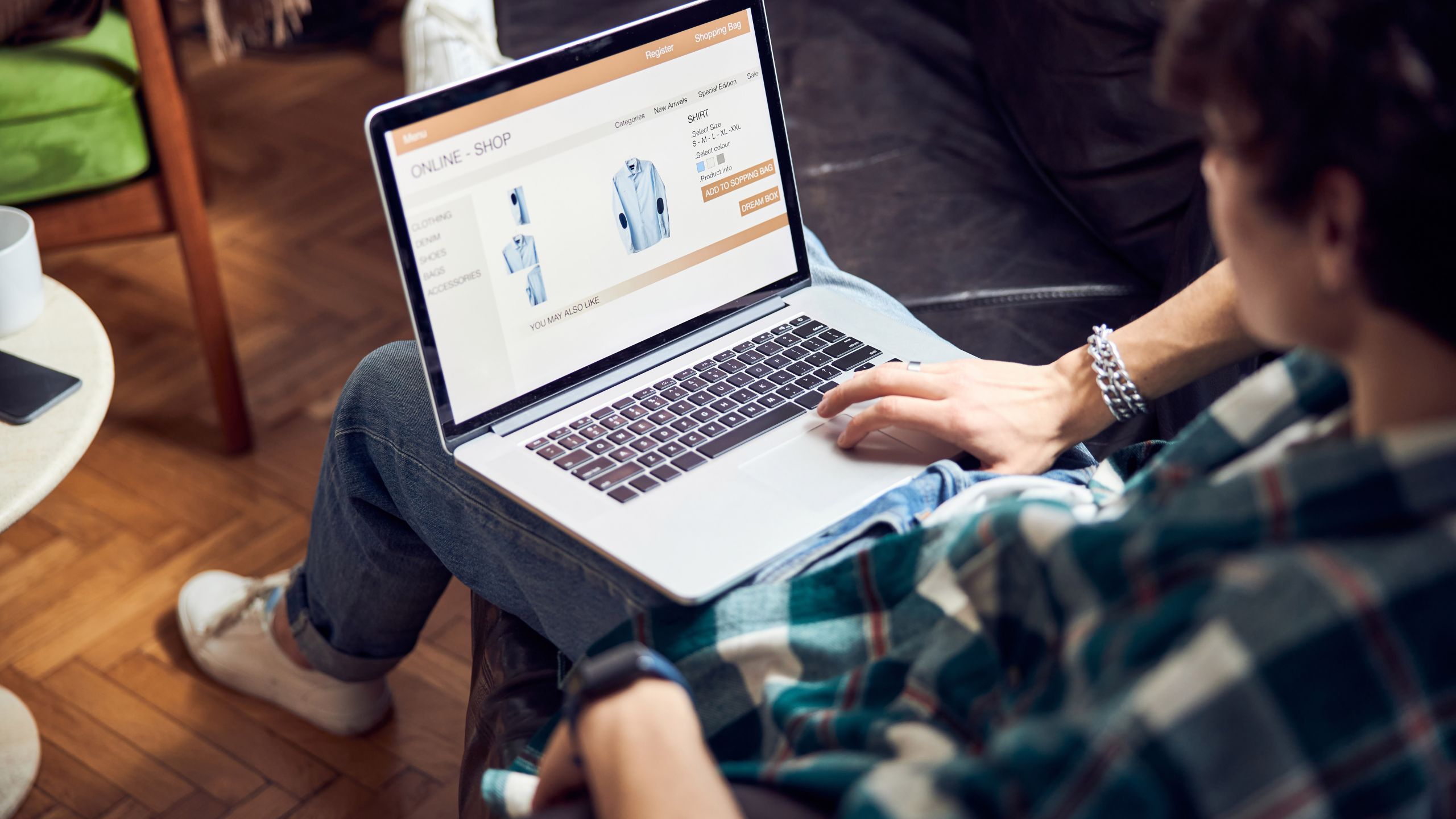
An online shopper cannot pick up the box, turn it over or ask a member of staff for help. The product page needs to fill those gaps through useful photography, clear descriptions and practical answers.
Show the product as well as its packaging. Explain what is included, demonstrate scale where relevant and make important variations easy to distinguish. For a game, an image of the components and a short explanation of play can answer questions the box alone cannot address.
Keep essential information, like age-suitability, in readable page text rather than relying entirely on words embedded in images. Give customers a clear route to delivery information, returns and availability before checkout.
Accurate product information also supports discovery. Google Merchant Center’s product data specification sets out requirements for product titles, descriptions, imagery, price and availability. Conflicting or incomplete information can affect eligibility for ads and free listings. Treat product content as a maintained asset, with responsibility for updating it when the range changes.
Shopify or WooCommerce?
Shopify and WooCommerce both support online retail but they organise the technology and its responsibilities differently. Shopify is a hosted commerce service paid for through a subscription. WooCommerce adds e-commerce to WordPress websites, with the business choosing its hosting and support arrangements.
A practical starting point is to consider Shopify when a business wants a managed commerce platform and WooCommerce when WordPress integration or detailed control is a priority. The final choice should follow a requirements review and a realistic cost comparison but both can support more sophisticated selling through appropriate features and integrations.
List what is essential to you: product variations, bundles, subscriptions, trade pricing, international sales, stock synchronisation or in-person selling. Also ask the implementation partner to identify what is included, what requires additional software and who will maintain it.
Compare the complete cost over two or three years, including setup, ongoing support and anticipated transaction volumes. Neither a low subscription price nor free core software describes the full investment. Refer to Shopify’s current plans, WooCommerce’s platform overview and WooCommerce’s cost guidance when deciding.
The platform decision also needs to fit the wider route to market. A marketplace can provide another sales channel but it brings its own fees, competition and constraints to the customer relationship. Whatever the platform, the business still needs an effective product proposition, traffic and a reliable fulfilment operation.
Plan the route to market
A retail launch plan should explain how the product will reach customers and what each stage requires. Direct sales, marketplaces and wholesale distribution each create different demands on content, budgets and operations.
For direct sales, the brand needs a clear product proposition, an effective buying journey and a plan for attracting customers at a sustainable cost. For wholesale, it also needs to help retail buyers assess the product’s audience, price position, presentation and commercial fit.
Prepare trade information alongside consumer communications. Depending on the route to market, this could include product specifications, wholesale pricing, order quantities, lead times, pack dimensions, imagery and a concise sales presentation. Retailers need usable assets to present the product accurately.
Work backwards from stock availability and the intended launch date. Allow time for packaging approval, production, photography, listings and retailer onboarding. Agree which assets must be ready before promotional activity begins and who owns each approval.
Seasonal occasions can shape demand but the right timing depends on the category and distribution route. A retailer’s buying decision may happen well before the consumer campaign. Both belong in the calendar.


Set a realistic launch window
A product launch window is the coordinated period in which the business builds anticipation, makes the product available and supports its first sales. Its timing should reflect customer demand, stock readiness and the time needed to prepare each sales channel.
Work backwards from the intended buying occasion and delivery deadline. For a gift product, customers need time to discover it, consider it and receive it. Trade buyers may need to make decisions much earlier. Confirm their deadlines directly rather than assuming that consumer and wholesale launches can share one timetable.
The following is an illustrative marketing schedule for a relatively straightforward launch once the product and production plan are established. It is not a manufacturing schedule or a universal lead-time benchmark.

Prepare
8-12 weeks before launch: Confirm audiences, positioning, stock dates, packaging status, retailer requirements, website scope and campaign budget. Allow longer for a new brand, complex build or wholesale onboarding. Build an audience where appropriate.
Build interest and test
2-4 weeks before launch: Prepare demonstrations and launch communications. Test checkout, tracking, payments, shipping and customer emails. Nurture your audience.
Launch
Launch week and the following 2-4 weeks: Coordinate availability and communications. Monitor customer questions, orders, acquisition costs and fulfilment.
Improve
Following 1-3 months: Refine messages, product pages and campaigns using evidence. Review margins, returns, stock and demand beyond the initial audience.
Before committing to significant promotional spend, confirm that customers can buy and receive the product as promised. If using pre-orders, make availability and delivery expectations clear. Build a contingency for stock or production delays and decide which activities can move if the date changes.
Reserve budget and creative for the period after launch. Spending the entire allocation on the opening burst leaves little room to respond to what customers actually do.
Developing a launch campaign
A new brand’s launch campaign should establish why it matters, show how its product delivers that promise and make the next step clear. As the campaign develops, the emphasis can move from introduction and discovery towards demonstration, reassurance and purchase. These activities should overlap.
Customers encounter the brand at different times and arrive with different levels of interest. Some need an introduction while others may be ready to buy after seeing one convincing demonstration. Keep the product visible throughout and provide a clear buying route as soon as it is available.
Introduce the brand through its product
The initial campaign should give people a clear idea of who the brand is for, what it offers and why it deserves attention. Select a central story or promise that the product can substantiate, then express it consistently through launch imagery, video, social content, PR and the website as appropriate.
For a new games brand, this might mean showing the kind of shared experience the game creates. The product then gives the brand story something tangible and customers can see what they would play, who they would play with and why it might appeal. A logo reveal or an unexplained teaser is unlikely to answer those questions on its own.
Between launch and availability, an appropriate intermediate stage could include viewing a demonstration or signing up for launch news. Once sales open, customers who are ready should be able to buy without waiting for a later campaign phase.
Bring the product into sharper focus
Develop the next wave of content around the questions that stand between interest and purchase. Demonstrate the product, explain its distinguishing features and show it in use. Give practical information enough prominence to help people decide whether it suits them.
For a game, this could include how play works, player numbers, play duration, what is inside the box and its suitability for different occasions. Use genuine customer feedback and reviews as they become available. Retain the same visual identity and central promise so this more detailed communication builds on the introduction.
Strengthen the invitation to buy
As customer response provides evidence, give more emphasis to the messages and formats that help generate commercially viable orders. Make availability, price, delivery and the route to purchase clear. Ensure that the landing page answers the promise made by the campaign.
Follow up with interested audiences where the available audience, permissions and channel capabilities allow, and continue reaching new people too. The invitation to buy can rest on the product’s value and suitability – a launch does not automatically need a discount.
Let evidence guide the transition
Do not set an arbitrary date when all brand activity stops and product advertising begins. Review whether people understand the proposition, which questions recur and how interest translates into product views, purchases and contribution. Reach and video views can describe exposure but they do not establish buying intent or commercial success. If people engage without buying, investigate the offer, product explanation, price, delivery and checkout before simply increasing spend. Keep the brand recognisable as the campaign’s emphasis changes.
Choose channels with a purpose
The right retail marketing channels depend on the audience, buying behaviour, product economics and available resources. Start with the job each channel needs to do.
Search and shopping activity can help people find products when they are already researching or comparing options. Instagram, Facebook and TikTok can support discovery, demonstrations and customer stories where the audience and creative fit, and YouTube can provide space for more detailed demonstrations, tutorials or reviews.
Email can support launches, replenishment and repeat purchase where there is a relevant customer relationship. Local search, store information, window displays and point-of-sale materials matter most when the objective is an in-store visit. Trade events and targeted business communications may be more appropriate when the immediate audience is a stockist or distributor.
Adapt the creative to its setting and campaign role. Plan introductory brand content, product demonstrations and purchase-focused assets together so the team can change emphasis without having to commission an entirely new campaign after launch.
Focus first on the channels the business can support properly. A smaller programme with clear responsibilities and useful content gives the team a better basis for learning and expansion.
What happens after launch?
Early sales provide evidence but the first burst may include existing supporters, launch offers and customers reached through publicity. Check whether the product also sells to new audiences at a sustainable cost before treating that initial performance as repeatable demand.
During the first weeks, prioritise reliable tracking, successful deliveries and recurring customer questions. Use those questions to improve descriptions, imagery and demonstrations. Review customer acquisition cost alongside order contribution, rather than judging the launch by traffic or engagement alone.
Over the following months, look for a repeatable combination of audience, message, channel and product economics. Calendar milestones help organise reviews but the amount and quality of evidence matters more than elapsed time. A low-volume product may take longer to evaluate, where a broken checkout or persistently unviable acquisition cost needs prompt attention.
Plan repeat purchase only where the category supports it. A business launching one game should not assume that buyers will soon buy the same game again. Additional titles, accessories or gifting may create future opportunities but forecasts should use observed behaviour as it becomes available.
Continue when performance supports the plan, adjust when a specific barrier is identified and pause expansion when the economics or fulfilment cannot support more volume. A quieter period after launch is a reason to investigate demand and conversion, rather than automatically increasing spend or abandoning the product.

Frequently asked questions
What should a retail marketing strategy include?
A retail marketing strategy should define the commercial objective, priority audiences, positioning, route to market, channel roles, budget and measures of success. It should also identify the brand, packaging and content work needed to support the plan.
Make the objective specific and time-bound. For example, increasing repeat purchases from an existing customer group requires a different approach from launching a new range into independent retailers. Assign responsibilities and key review dates so the strategy becomes a working plan the team can use.
What is the difference between branding and packaging design?
Branding establishes the identity, positioning and meaning of a business or product. Packaging applies that identity to a physical format with additional responsibilities, including presenting the product, explaining it and accommodating production requirements.
The two should inform each other. A visual identity needs to work at the scale and in the conditions where customers encounter it. Packaging should express that identity while making the individual product easy to understand. Developing them together is particularly useful when creating a new consumer brand.
How can packaging support retail sales?
Packaging can support a buying decision by making a product noticeable, recognisable and easier to assess. A clear hierarchy helps customers understand what it is, who it suits and what they will receive.
Its impact depends on the wider offer, including price, availability, distribution and demand. Test designs against specific questions, such as whether shoppers can identify the product and distinguish variants. Any claim that a redesign increased sales should be backed by evidence that considers other changes during the same period.
How much should a business budget for retail marketing?
Build the budget around the commercial goal and the work required to reach it. Separate initial investment in positioning, identity, packaging and photography from ongoing expenditure on content, campaigns, media and optimisation.
Consider the margin available after product and selling costs, the stock that can be supplied and the value of repeat customers. Allocate enough to test a focused approach meaningfully. There is no single percentage of turnover that will suit a new brand, an established retailer and a product business selling through wholesale equally well.
How long does retail marketing take to produce results?
Some activity can generate a response quickly once the product, stock and buying journey are ready. Establishing reliable performance takes longer and depends on demand, budget, conversion volume and the buying cycle.
A three- to six-month review period can be a useful planning starting point for an ongoing programme but it is not a promise of results or a fixed platform learning period. New brand development, packaging production and retail listings may require their own lead times. Agree milestones for readiness, launch and optimisation, then assess results against comparable trading periods.
Does a profitable campaign mean the launch has paid for itself?
Not necessarily. Campaign performance measures a particular period and set of costs. The business may still need to recover its investment in brand development, packaging, photography and the website.
Report ongoing contribution and cumulative investment recovery separately. Include realistic allowances for returns and operating costs and distinguish cash tied up in stock from profit earned on products already sold. This gives the team a clearer basis for deciding when it can afford to expand.
How do you choose a retail marketing agency?
Look for relevant work, a clear understanding of the buying decision and a practical explanation of how strategy connects with delivery. Ask who will handle the brand, packaging, production artwork, campaign assets and measurement, including where specialist partners are involved.
Case studies should explain the agency’s actual scope and show work relevant to your needs. For a new consumer brand, experience connecting identity with packaging may be particularly useful. For an established retailer, the priority could be conversion, customer retention or consistency across a large range.
How Oyster can help
Oyster brings together brand strategy, identity, packaging, graphic design and marketing communications to help retail businesses present their products clearly and consistently.
Our longstanding experience with numerous established consumer brands means we can help businesses assess what is needed for a new product, a developing range or a broader retail marketing programme, then agree the right scope of support.
Explore our retail marketing expertise or speak to Oyster about your brand, packaging or next product launch.
Contact us
Message
We’d love to speak to you.